Wireless vs Wired Security Cameras: Which Should You Choose?
Wireless vs Wired Security Cameras: Which Should You Choose? In an age where smart security solutions dominate the market, choosing the right camera can be challenging. Whether you're a homeowner lo

Priya Sharma
Home Automation Writer
Priya writes practical guides for renters and first-time homeowners. She's obsessed with finding budget-friendly smart home solutions.
Wireless vs Wired Security Cameras: Which Should You Choose?
In an age where smart security solutions dominate the market, choosing the right camera can be challenging. Whether you're a homeowner looking to enhance security or a renter wanting a flexible solution, understanding the differences between wireless and wired security cameras is crucial. In this guide, we'll explore the pros and cons of both types to help you make an informed decision that suits your needs.
Understanding Smart Security Cameras
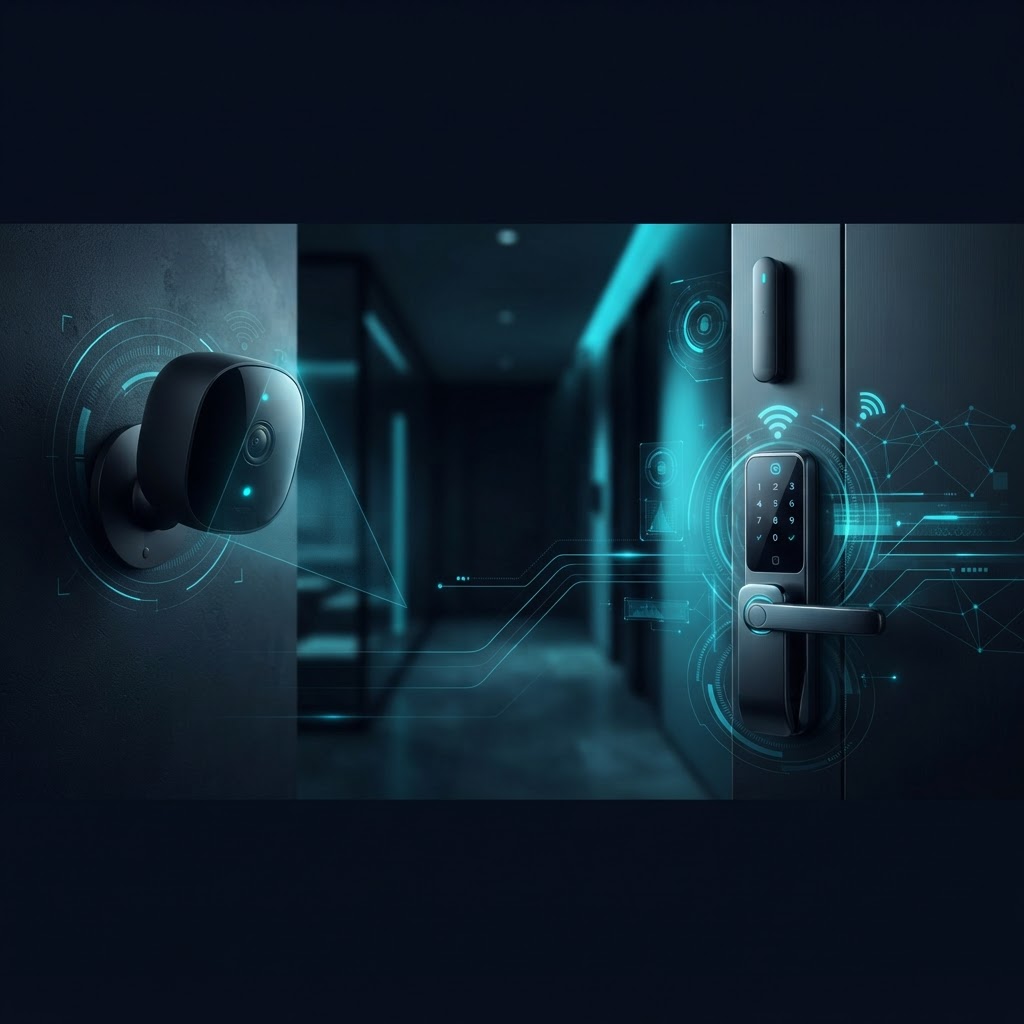
Smart security cameras are essential components of modern security systems. They can help you monitor your property in real time, alert you to unusual activity, and even integrate with other smart devices like smart locks and sensors. These systems can often be managed from your smartphone, offering convenience and peace of mind.
Key Features to Look For:
- Video Quality: Look for HD or 4K resolution for clear images.
- Night Vision: Essential for 24/7 surveillance.
- Two-Way Audio: Allows communication through the camera.
- Storage Options: Consider local storage vs. cloud storage.
- Mobile Alerts: Instantly notified about suspicious activity.
Wireless Security Cameras
Benefits of Wireless Cameras:
Wireless cameras have gained popularity due to their ease of installation and flexibility. Here are some advantages:
- Easy Installation: No need for extensive wiring; simply mount and connect to Wi-Fi.
- Renter-Friendly: Ideal for those who don’t want to drill holes or conduct major installations.
- Portability: Can be moved easily if you change locations.
- Remote Access: Connect through your smartphone app, allowing you to check in from anywhere.
Considerations for Wireless Cameras:
While wireless cameras offer many benefits, they also come with certain limitations:
- Wi-Fi Dependency: Performance is reliant on the strength and reliability of your Wi-Fi connection.
- Battery Life: Many wireless cameras operate on batteries, necessitating regular charging or battery replacement.
- Potential Interference: Other wireless devices can affect performance, leading to connectivity issues.
Wired Security Cameras
Benefits of Wired Cameras:
Wired cameras have been a staple in security systems for years. Here’s why they might be the right choice for you:
- Stable Connection: Wired cameras generally offer a reliable connection with minimal interference.
- No Battery Issues: They are powered directly through the installation, eliminating battery-related hassles.
- Consistent Performance: Often, they provide better video quality with less latency.
Considerations for Wired Cameras:
However, there are a few downsides when considering wired systems:
- Installation Complexity: Installation can be labor-intensive and may require professional installation.
- Fixed Position: Once placed, they are not easily movable without professional help.
- Less Flexible for Renters: Drilling holes and running wires can be a dealbreaker for those in rental properties.
Comparison: Wireless vs Wired
When trying to decide between wireless and wired security cameras, consider the following factors:
Installation:
- Wireless: Simple, DIY installation. Perfect for renting or temporary setups.
- Wired: Requires professional installation, more permanent setup.
Reliability:
- Wireless: Dependent on Wi-Fi; can experience lag or disconnects, especially with interference.
- Wired: offers stable video feed, less prone to disruptions.
Cost:
- Wireless: Typically lower initial investment, no subscription fees at Cryptronics.
- Wired: Higher initial setup costs if professional installation is needed, but durable and long-lasting.
Flexibility:
- Wireless: Great for changing locations and easy repositioning.
- Wired: Limited mobility once installed.
Overall Performance:
- Wireless: Good for most typical home security needs but check reviews for individual models.
- Wired: Best suited for comprehensive, whole-home monitoring where power and consistency are key.
Best Practices for Using Security Cameras
Regardless of which type of camera you choose, implementing these best practices will enhance your security setup:
- Proper Placement: Position cameras to cover entry points like doors and windows.
- Regular Updates: Keep firmware updated for optimal performance and security.
- Monitor Video Quality: Ensure you have clear visuals; adjust angles or settings as necessary.
- Integrate with Other Devices: Use your cameras in conjunction with smart locks and sensors for a comprehensive security solution.
Conclusion
Choosing between wireless and wired security cameras mostly depends on your specific needs and circumstances. Wireless cameras offer flexibility and ease of installation, making them ideal for renters or those seeking simplicity. On the other hand, wired cameras provide reliable performance and stability, suitable for permanent installations.
Evaluate your security needs, budget, and environment to determine the best option for your smart security system. Remember, regardless of your choice, smart security products like those offered by Cryptronics can help keep your home secure without the burden of monthly fees.
Product disclaimer
Smart security products support awareness, alerts, access control, and convenience. They do not guarantee prevention of theft, damage, leaks, unauthorized entry, or emergencies.