Smart Smoke, Gas, and CO Detectors: Your 2026 Home Safety Guide
The Evolution of Home Safety in 2026 As we move through 2026, the landscape of smart security has evolved beyond simple video monitoring and smart locks. Today, homeowners and renters alike are prio

Marcus Reed
Smart Home Security Specialist
Marcus has spent over 8 years testing smart security devices in real rental apartments. He focuses on drill-free setups that anyone can install.
The Evolution of Home Safety in 2026
As we move through 2026, the landscape of smart security has evolved beyond simple video monitoring and smart locks. Today, homeowners and renters alike are prioritizing comprehensive environmental monitoring. While cameras and motion sensors have long been the face of a secure home, the most critical upgrades are now occurring inside the walls and ceilings of our living spaces. Smart smoke, gas, and carbon monoxide (CO) detectors represent the next frontier in DIY home safety, offering real-time alerts that go far beyond the screeching sirens of traditional hardware.
Why Traditional Detectors Are Getting an Upgrade
Standard smoke and CO alarms are reactive devices; they alert you only if you happen to be standing within earshot of the unit. In a modern, fast-paced world, this is rarely sufficient. If you are at work, running errands, or even sleeping in a distant bedroom, traditional sirens can be easily missed.
Modern smart sensors change the dynamic by turning a passive alert into an active, mobile-first notification system. By integrating these devices into your broader smart security ecosystem, you gain:
- Instant Notifications: Receive push alerts directly to your smartphone, whether you are in the kitchen or across the country.
- Early Warning Systems: Detect low levels of CO or early smoke indicators before they escalate into full-blown emergencies.
- Battery Efficiency: Many of today’s advanced sensors utilize low-energy protocols, ensuring long-lasting operation without constant maintenance.
- Renter-Friendly Installation: Most smart detectors are designed to be easily mounted with adhesive or simple screws, making them ideal for apartment dwellers who cannot perform structural modifications.
Essential Features for Modern Environmental Sensors
When searching for the right environmental monitoring equipment, it is important to look for devices that prioritize reliability and ease of use. At Cryptronics, we believe that security should not come with a heavy tax of recurring costs. The best smart security products today focus on direct user control rather than expensive, subscription-based monitoring services.
Multi-Gas Detection Capabilities
The most effective sensors are those that can identify multiple threats. Combining smoke, CO, and natural gas (methane) detection into a single device provides a comprehensive safety net. Natural gas leaks are often silent and odorless, making them incredibly dangerous. A smart sensor that detects methane buildup can be the difference between a minor repair and a catastrophic event.
Seamless Smart Home Integration
Your environmental sensors should not work in isolation. Modern smart home platforms allow you to create 'scenes' or 'automations.' For example, if your smart smoke detector triggers, your smart lights could automatically turn to bright white to help you navigate, or your smart locks could unlock to ensure first responders have access if you are incapacitated.
Avoiding the Subscription Trap
One of the most frustrating trends in the tech industry has been the move toward monthly subscriptions for basic device functionality. When investing in life-saving equipment, you should own your data and your alerts. By choosing equipment that functions independently of cloud-based subscription plans, you ensure that your safety net remains active regardless of your billing status or internet fluctuations.
Integrating Environmental Sensors into Your Smart Home
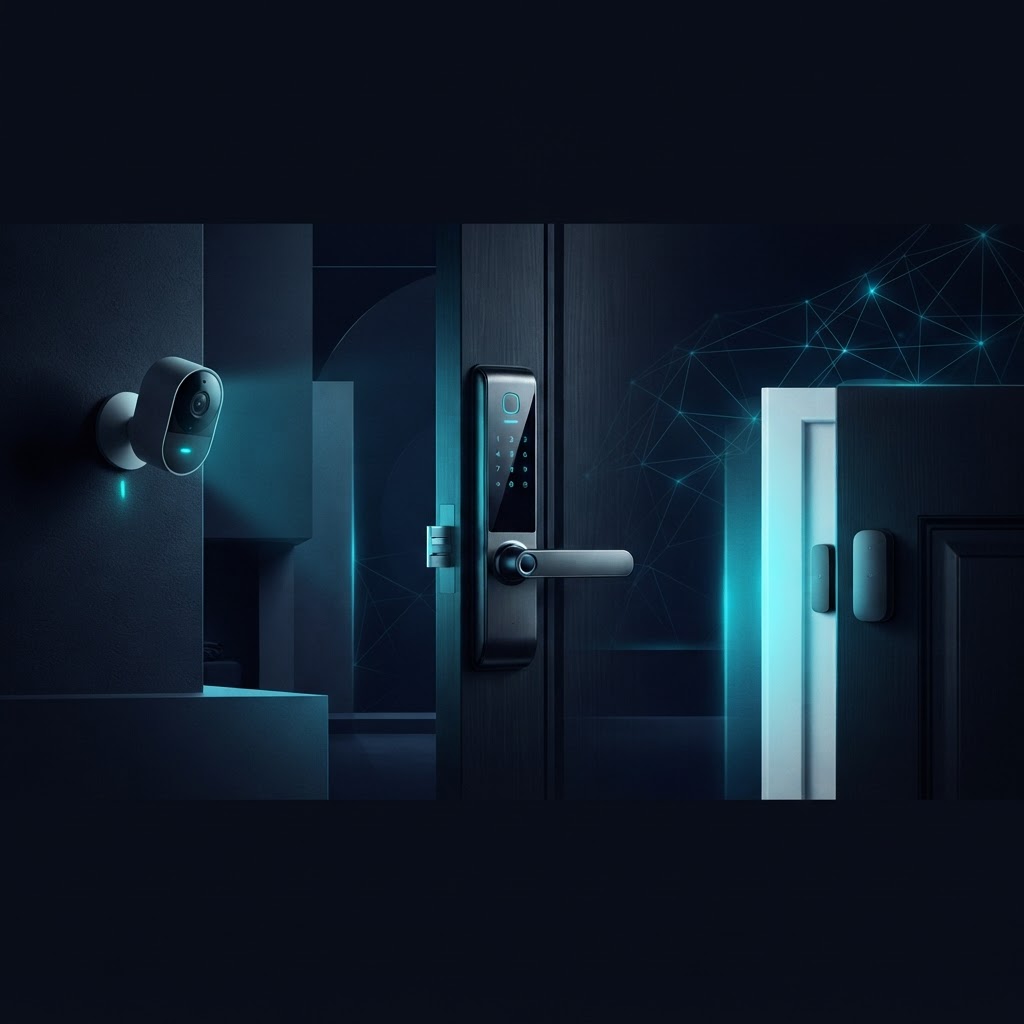
If you have already invested in smart locks, doorbell cameras, or entry sensors, adding environmental monitors is the logical next step. Because these devices are generally low-power, they integrate easily into most existing hubs without congesting your Wi-Fi network.
Consider the placement of these devices as part of your overall security strategy. While security cameras protect your assets, these sensors protect your life. Ensure that:
- CO detectors are placed near sleeping areas to ensure alerts are heard at night.
- Smoke detectors are installed near kitchen areas but kept away from direct steam paths to prevent false alarms.
- Gas sensors are placed near appliances like stoves, heaters, or water boilers.
The Future of Affordable Home Protection
As we look ahead, the demand for accessible, high-tech security will only continue to grow. Renters and homeowners are increasingly rejecting complex, contract-heavy systems in favor of modular, scalable, and subscription-free alternatives. By taking charge of your own home’s environmental monitoring, you create a safer, more responsive living environment that works for you, not for a monitoring agency.
Product disclaimer
Smart security products support awareness, alerts, access control, and convenience. They do not guarantee prevention of theft, damage, leaks, unauthorized entry, or emergencies.