We use cookies to improve your experience and analyze traffic. By clicking "Accept All", you consent to our use of cookies. Privacy Policy

smoke in the kitchen ,October 21, 2026Priya Sharma2 min read

Smart Smoke Detectors vs Traditional Alarms: Worth the Upgrade?

Smart smoke detectors do far more than beep. Discover whether upgrading from a traditional alarm is worth it for renters, homeowners, and Airbnb hosts.
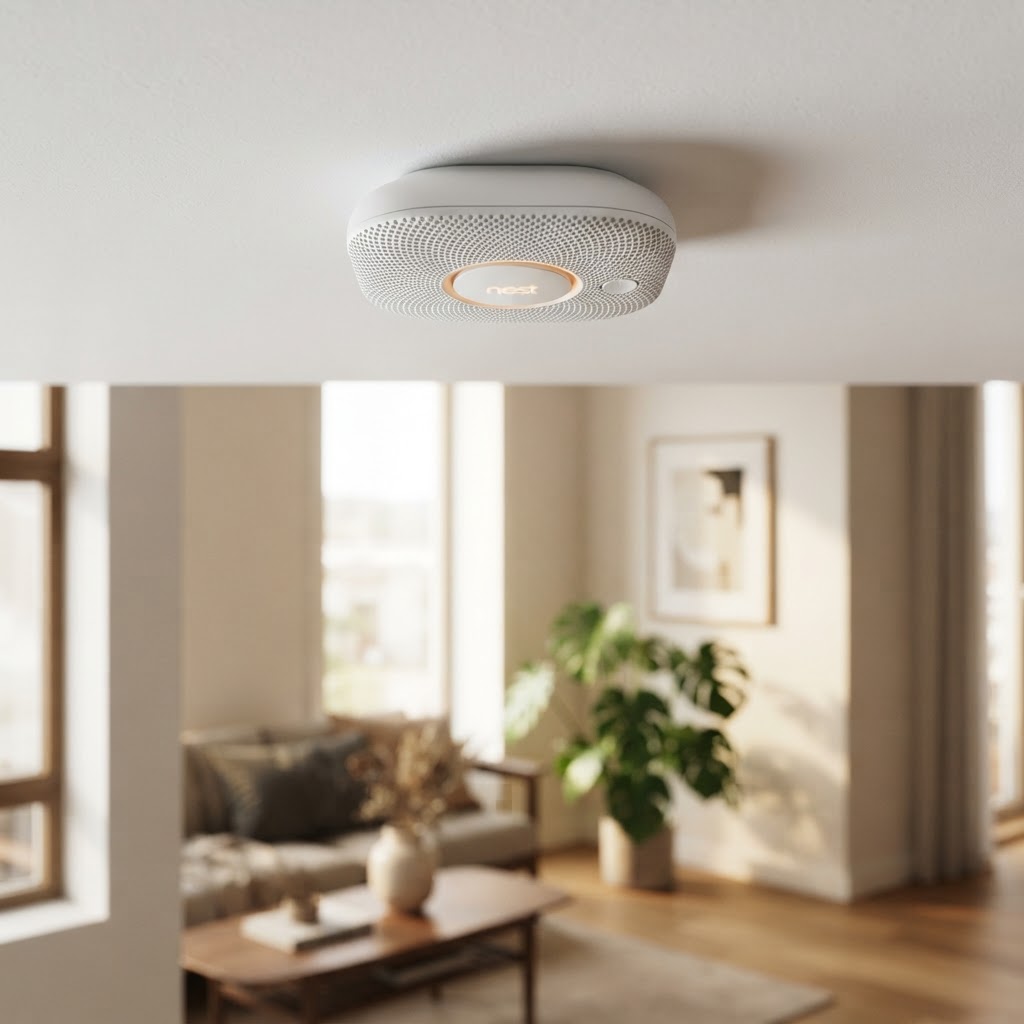

Smart Smoke Detectors vs Traditional Alarms: Worth the Upgrade? cover image
Priya Sharma

Priya Sharma

Home Automation Writer

Priya writes practical guides for renters and first-time homeowners. She's obsessed with finding budget-friendly smart home solutions.

#) giving you critical seconds to respond appropriately. - **Integration with your broader smart home system.** Pair with door/window sensors, smart locks, and cameras for a coordinated response during an emergency. For Airbnb hosts especially, that last point is crucial. If a smoke detector triggers at your property while guests are staying, you can be notified immediately, verify via a security camera, and even remotely unlock doors to assist emergency responders β€” all without being on-site. --- ## Renter-Friendly Installation: A Real Concern One of the biggest hesitations renters have about upgrading any home device is installation. Hardwired smoke detectors aren't something you can simply swap out in most apartments β€” that requires an electrician and landlord approval. This is where **battery-powered smart smoke detectors** shine. They install in minutes, require zero drilling into wiring, and can be taken with you when you move. At Cryptronics, our smart home security products are designed specifically with renters in mind β€” **no-drill installation options, no subscriptions, and a 2-year warranty** so you're protected long after setup day. Combined with our **door and window sensors** and **water leak sensors**, a smart smoke detector becomes part of a comprehensive, renter-friendly safety ecosystem that you own outright and can bring to your next home. --- ## The Cost Question: Are Smart Detectors Worth the Price? Smart smoke detectors typically cost more upfront than traditional alarms. A basic detector might run $15–$25, while a smart model can range from $50–$120. That gap gives many buyers pause. Here's how to think about the real value: - **No monthly fees.** Unlike many security ecosystems that charge ongoing subscription costs, Cryptronics products require no monthly fees. You pay once and you're covered. - **Reduced liability for hosts.** For Airbnb hosts, a documented, app-connected smoke detector can demonstrate due diligence β€” a meaningful consideration if an incident ever occurs. - **Insurance potential.** Some homeowners' and renters' insurance providers offer discounts for smart safety devices. Check with your provider. - **Peace of mind has real value.** Remote monitoring means you're not left wondering whether your property is safe while you're away. - **30-day returns.** Not sure it's right for your space? Cryptronics offers a 30-day return window so you can try it risk-free. For most renters and hosts in Los Angeles β€” where properties are densely situated and fire risks can spread quickly β€” the upgrade cost is modest relative to what's at stake. --- ## Who Should Definitely Upgrade? Not everyone has the same risk profile. Here's a straightforward breakdown: **Upgrade is strongly recommended if you are:** - An **Airbnb or short-term rental host** who isn't always on-site when guests are present - A **renter** who travels frequently and wants peace of mind while away - A **homeowner** with elderly family members or children in the home - Anyone in a **multi-story home** where interconnected alerts are essential - Someone already building out a **smart home security setup** with cameras, sensors, and smart locks **A traditional detector may still suffice if you:** - Live in a single room and are almost always home - Are in a fully managed building where fire systems are centrally monitored - Have a very tight budget and are weighing basic coverage against nothing Even in the last scenario, though, a mid-range smart detector is increasingly accessible β€” and the gap in protection is significant. --- ## The Bottom Line Traditional smoke alarms are a baseline β€” they meet the minimum. Smart smoke detectors raise that baseline substantially, adding remote alerts, self-diagnostics, interconnectivity, and integration with the rest of your home security setup. For renters, homeowners, and Airbnb hosts in Los Angeles, the upgrade is almost always worth it. The combination of **no monthly fees, renter-friendly installation, and a 2-year warranty** makes smart smoke detection one of the most practical investments you can make in your home's safety. If you're ready to build a smarter, safer home β€” whether you're renting a studio in Silver Lake or hosting guests in Santa Monica β€” Cryptronics has the tools to get you there without the complexity or the long-term contracts. *Safety shouldn't be complicated. It should just work.*#category#Buying Guides#tags":[#smoke detectors#smart home safety#renter security#Airbnb safety

Smart Smoke Detectors vs Traditional Alarms: Is the Upgrade Worth It?

A smoke alarm that chirps at 2 a.m. because you burned toast is one of life's universal annoyances. But a smoke alarm that fails to warn you during an actual emergency? That's a life-or-death situation. As smart home technology has matured, smoke detectors have evolved well beyond a plastic disc on the ceiling. If you're a renter in Los Angeles, a homeowner, or an Airbnb host responsible for guests' safety, the question isn't just can you upgrade β€” it's whether you should.

Let's break down exactly what separates smart smoke detectors from their traditional counterparts, and help you decide if the upgrade makes sense for your situation.


What Traditional Smoke Alarms Actually Do (and Don't Do)

Traditional smoke detectors are simple devices. They sense smoke particles, trigger a loud alarm, and that's essentially it. For decades, that's been good enough to meet building codes β€” and they do save lives.

But their limitations are real:

  • No remote alerts. If a fire starts while you're at work or your Airbnb is between guest check-ins, you won't know until a neighbor calls 911.
  • No self-testing. Most homeowners forget to test their alarms monthly or replace batteries on schedule.
  • No interconnectivity. A traditional alarm in the kitchen doesn't automatically trigger the one in the bedroom.
  • No differentiation. Many basic alarms can't distinguish between smoke from cooking and smoke from an actual fire, leading to constant false alarms.

These gaps aren't just inconvenient β€” in rental properties and short-term rentals, they can also create liability.


What Smart Smoke Detectors Bring to the Table

Smart smoke detectors address nearly every shortcoming of traditional alarms while adding capabilities that simply didn't exist a generation ago.

Here's what a quality smart smoke detector offers:

  • Real-time smartphone alerts. Get notified the moment smoke or carbon monoxide is detected, whether you're across town or across the country.
  • Remote silencing. Burned the garlic bread again? Silence a false alarm from your phone without waving a towel at the ceiling.
  • Self-monitoring and diagnostics. Smart detectors alert you when the battery is low or the sensor needs attention β€” no more guessing.
  • Interconnected alerts. When one detector triggers, all connected detectors in the home sound simultaneously.
  • Voice alerts. Some models announce where the smoke is detected (