Mastering Smart Security: How to Build Your Integrated Home Ecosystem
Introduction to Smart Home Security In the modern era, securing your living space has moved beyond simple deadbolts and physical keys. Today, smart security empowers homeowners and renters alike to

Priya Sharma
Home Automation Writer
Priya writes practical guides for renters and first-time homeowners. She's obsessed with finding budget-friendly smart home solutions.
Introduction to Smart Home Security
In the modern era, securing your living space has moved beyond simple deadbolts and physical keys. Today, smart security empowers homeowners and renters alike to take charge of their safety through interconnected technology. Building an effective smart home ecosystem isn't just about buying gadgets; it is about creating a network where your cameras, sensors, and smart locks communicate to keep you informed. Best of all, with modern advancements, you can achieve professional-grade coverage with no monthly fee.
Understanding the Basics: How Devices Communicate
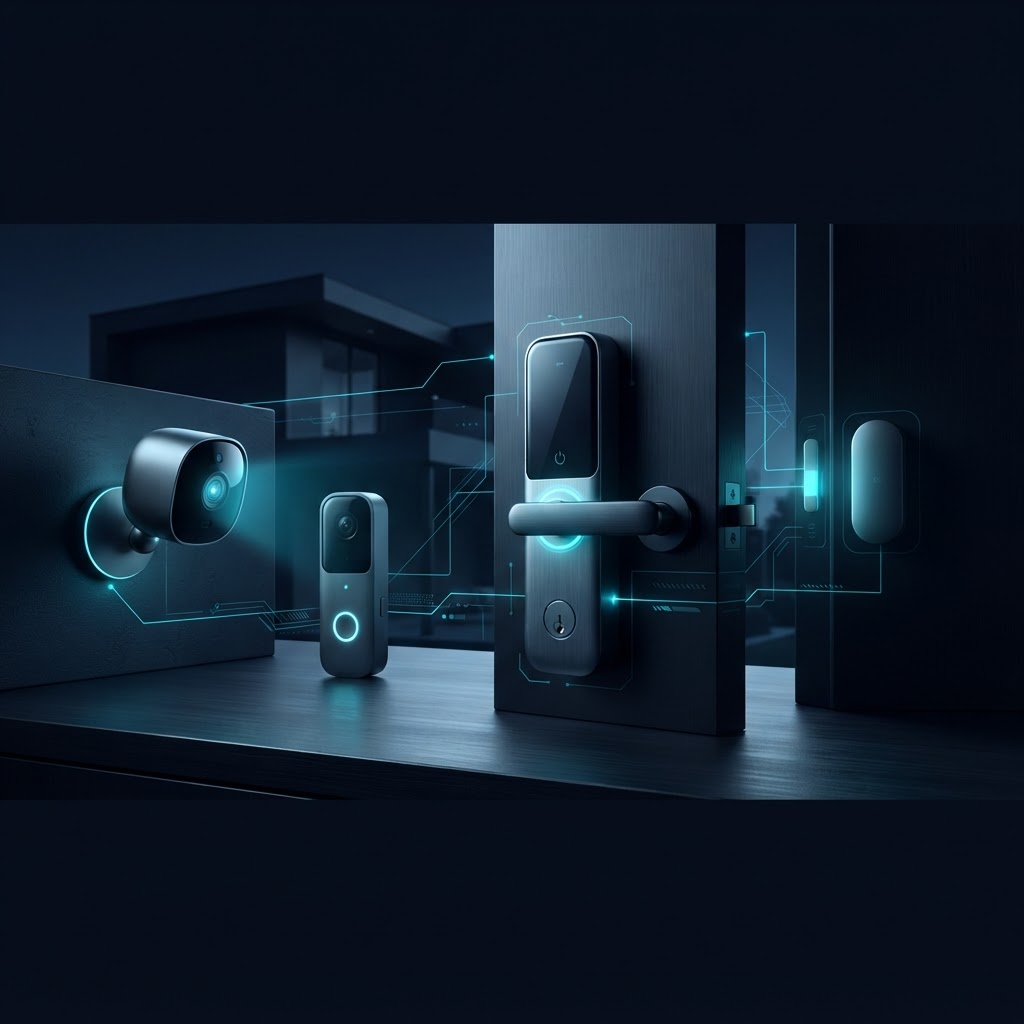
At the heart of a robust smart home security system is the concept of integration. Most devices connect via Wi-Fi or specialized protocols that allow them to talk to your smartphone or a central hub. When choosing your hardware, the primary goal is ensuring interoperability. You want a front-door camera that can trigger a light, or a door sensor that alerts your smartphone the moment a window is opened.
The Role of Smart Locks
Smart locks are the frontline of home security. By replacing traditional keyed locks, you gain the ability to grant temporary access to guests, track entry times, and ensure your door is locked from anywhere in the world. Integration allows these locks to automatically trigger your security cameras to record whenever the door is unlocked, providing a complete audit trail of activity.
Surveillance and Sensors
Cameras and motion sensors act as the eyes and ears of your ecosystem. Modern, renter-friendly cameras can be mounted using non-invasive adhesives, making them perfect for apartments. When paired with contact sensors on windows and doors, these devices create a comprehensive mesh that monitors your perimeter without the need for intrusive wiring or permanent modifications.
Practical Installation Tips for Success
Installing your own system is easier than ever, but proper placement is key to functionality. Follow these best practices to maximize the performance of your smart security devices:
- Prioritize Entry Points: Always place cameras and contact sensors at the front door, back door, and ground-floor windows. These are the most vulnerable points of any property.
- Avoid Excessive Motion Triggers: When setting up motion-detecting cameras, point them away from busy streets or swaying tree branches to avoid false alerts on your smartphone.
- Optimize Wi-Fi Coverage: Security cameras require a stable connection. If a device is located far from your router, consider using a Wi-Fi range extender to prevent connection drops during critical moments.
- Secure Your Network: Always update your device firmware and use strong, unique passwords for your security applications to keep your feed private.
Why Subscription-Free is the Future
Many legacy security brands force users into rigid contracts with high monthly fees just to view their own footage. The industry is shifting toward local, subscription-free storage solutions. By choosing hardware that supports internal memory or personal network-attached storage, you eliminate the "security tax." This empowers you to build a system that is yours to own, providing full control over your data and removing the ongoing cost of monitoring services.
Building a Renter-Friendly Setup
Living in a rental property should not prevent you from enjoying peace of mind. The beauty of current smart security tech is the abundance of non-permanent mounting options. Adhesive camera mounts, peel-and-stick window sensors, and smart locks that replace the internal thumb-turn of a deadbolt allow you to secure your space without violating lease agreements. When it comes time to move, you can simply pack up your entire security ecosystem and reinstall it in your new home in minutes.
Conclusion
Building an integrated smart home ecosystem is a powerful way to enhance your quality of life. By focusing on devices that offer local control and subscription-free operation, you create a sustainable safety net for your family. Whether you are a homeowner looking to automate your perimeter or a renter seeking a portable solution, start by identifying your most critical security needs and build outward. With the right configuration, your home will be more than just a place to live; it will be an intelligent, responsive, and secure sanctuary.
Product disclaimer
Smart security products support awareness, alerts, access control, and convenience. They do not guarantee prevention of theft, damage, leaks, unauthorized entry, or emergencies.